The Art of Choosing the Right Paint for Every Wood Surface
Choosing the right paint for different wood textures is essential to achieve a stunning finish. Whether you’re working with oak, pine, or maple, each type of wood has unique characteristics that affect how paint adheres and looks. Understanding these differences will help you select the best paint type, ensuring durability and aesthetic appeal. Let’s explore how to match different paint types with various wood textures.
Understanding Different Wood Textures
Wood textures vary widely based on the species and cut of the wood. For example, oak is known for its prominent grain patterns, while pine features a smoother texture. Maple offers a dense and even surface. Recognizing these differences is crucial because they influence how paint interacts with the wood. By matching the right paint type to each texture, you can enhance both the beauty and longevity of your wood surfaces.
Selecting Appropriate Paint Types
Paint selection should account for both the wood’s texture and its intended use. Oil-based paints work well on rougher woods like oak because they penetrate deeply into the grain. In contrast, latex paints are ideal for smoother woods such as maple due to their flexibility and ease of application. When considering painting services, ensure they offer a range of paint options suited to different wood textures.
Preparation Techniques for Wood Surfaces
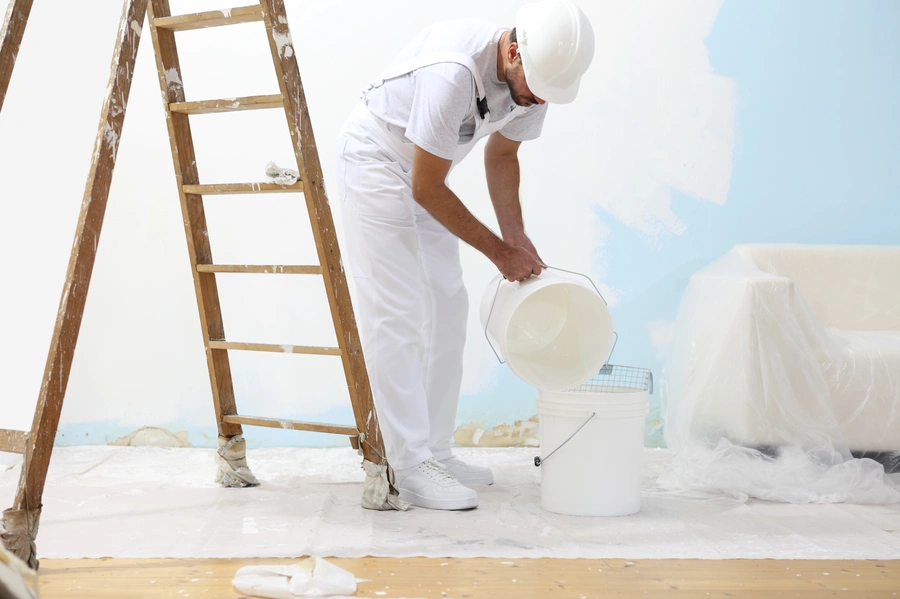
Proper preparation is key to achieving a successful paint job on any wood surface. Start by sanding the wood to create a smooth base for painting. This step is especially important for woods with uneven textures. Next, apply a primer that matches your chosen paint type; oil primers pair with oil-based paints, while water-based primers align with latex paints. Hiring professionals who understand these nuances through their painting services can ensure optimal results.
Overcoming Common Painting Challenges
Painting wood surfaces can present several challenges. Grain raising is one issue where moisture causes wood fibers to stand up, affecting the final finish. To prevent this, lightly sand the primed surface before applying your topcoat. Another challenge is ensuring consistent color application across different wood sections. This can be managed by using high-quality brushes or rollers and maintaining a wet edge during application.
Advantages of Professional Expertise
While DIY projects have their charm, professional painters bring valuable expertise in matching paints to wood textures. Their knowledge of industry standards ensures better adhesion and longer-lasting finishes. Professionals also have access to advanced tools and materials, which can significantly improve the quality of your project outcome.
- Professionals ensure even application and coverage
- Access to specialized tools and high-quality materials
- Expertise in handling complex textures and surfaces
Cost Considerations in Paint Selection
The cost of choosing the right paint involves more than just the price per gallon. Consider factors like coverage rates, durability, and maintenance when evaluating options. Higher initial costs for quality paints may save money in the long run by reducing the need for frequent repaints. Balancing upfront investment with long-term benefits is key in making an informed decision.
Your Path to Perfect Painted Wood
Creating beautiful painted wood surfaces requires careful consideration of both paint types and wood textures. By understanding these elements and seeking expert advice when needed, you’ll achieve excellent results that last. Contact our team at Unique Carpentry Inc for guidance tailored to your specific needs. Based in Brooklyn, NY, we provide comprehensive solutions for all your painting projects. Reach out at (347) 956-9752 to discuss how we can assist you today.